Introduction
As summer time procedures, the sweltering warm could make lifestyles uncomfortable devoid of a stable air con process. Whether you’re looking to buy an air conditioner online or deploy one you already personal, realizing a https://shanecogi606.iamarrows.com/ac-prices-ontario-10-ways-to-cut-cooling-costs way to nicely deploy an AC unit is principal. This support provides a entire record for DIY air conditioner set up, guaranteeing you've the whole awareness you desire to retailer your property cool and cushty.
This article will disguise all the pieces from picking the correct measurement of AC unit to information what form of air conditioner fits your desires fine. We’ll additionally delve into the most important steps fascinated in set up and renovation, supporting you stay clear of favourite pitfalls. So, let’s dive in!
A Complete Checklist for DIY Air Conditioner Installation
Installing an air con unit may look daunting at the beginning, however with the accurate guidance and competencies, it is able to be a sincere job. The following listing breaks down the beneficial steps and issues for a a hit install.
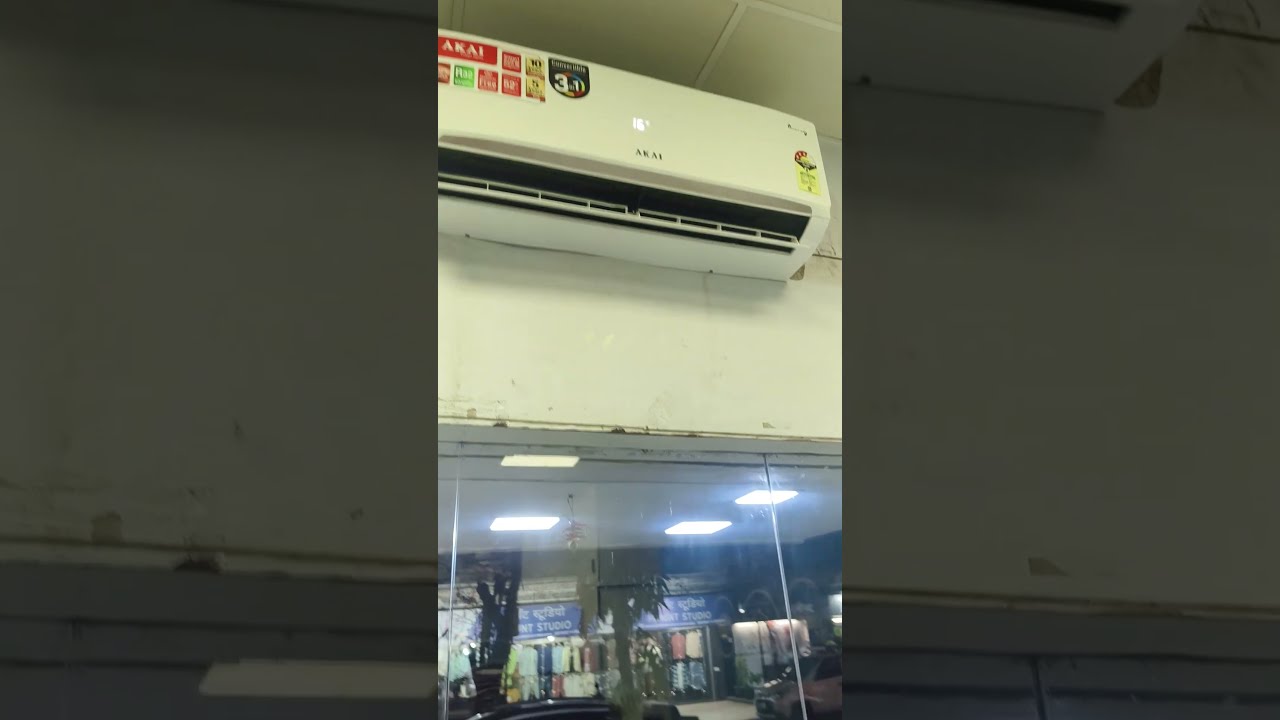
Understanding Your Needs
What Size of AC Unit Do I Need?
Choosing the ideal length of your air-con unit is a very powerful for leading efficiency. An undersized unit will wrestle to cool your area, even as an oversized one may just cycle on and rancid too by and large, prime to inefficiency.
- Calculate BTUs Needed: The cooling ability of AC contraptions is measured in British Thermal Units (BTUs). To settle on how many BTUs you desire: Measure your room dimensions (duration x width). Multiply entire sq. photos with the aid of 20 BTUs.
Example: For a four hundred sq feet room:
four hundred sq ft x 20 BTUs = eight,000 BTUs is required.

How Do I Know What Type of Air Conditioner to Buy?
The variety of air conditioner you determine is dependent on different factors such as funds, room design, and personal preferences. Here are some average versions:
Window Units: Affordable and trouble-free to install; suitable for unmarried rooms. Split Systems: More efficient; enormous for cooling varied rooms. Portable Units: Versatile; superb when you desire mobility. Central AC Systems: Best for increased properties requiring total-condominium cooling.Gathering Tools and Materials
Before opening your install challenge, ascertain you could have all the precious gear:
- Screwdrivers (flathead and Phillips) Measuring tape Level Power drill Circuit tester Safety goggles Duct tape Insulation tape
Preparing for Installation
Selecting the Right Location
Choose a location that maximizes performance. Ideally, area your unit in a shaded area that avoids direct sun which is able to keep overall performance.
Checking Electrical Requirements
Ensure that your electric formulation can cope with the weight of the hot AC unit:
Confirm voltage standards (maximum sets require either 115V or 230V). Check circuit breakers to be sure they match requisites. Consider hiring an electrician if you're not sure about electrical work.Installation Steps
Step 1: Preparing the Space
Clear out any boundaries where you could deploy the AC unit. If it's a window unit, dispose of any displays or barriers temporarily.
Step 2: Installing Window Units
For window sets:
Place the unit on a flat surface earlier than lifting it into position. Ensure good sealing with climate stripping or insulation tape. Secure brackets per corporation guidance. Use a stage to be sure or not it's a bit tilted outward for correct drainage.Step three: Setting Up Split Systems
For cut up approaches:
Install indoor elements on walls far from direct sunlight. Drill holes for refrigerant strains by means of partitions. Connect indoor and outside units as per organization instructional materials.Testing Your Installation
Once installed, it’s time to test your new AC system:
Turn on electricity at circuit breaker. Set thermostat to desired temperature. Check airflow because of vents; listen for exceptional sounds which might suggest problems.Maintenance Tips Post-Installation
Maintaining your AC equipment no longer simply prolongs its lifestyles however guarantees useful operation:
Change filters always (every 1–three months). Clean condenser coils as soon as in step with season. Schedule legit inspections yearly.Frequently Asked Questions
1. Can I Install My Own AC Unit?
Absolutely! Many home owners successfully handle DIY installations with cautious planning and adherence to defense protocols.
2. How Long Does It Take to Install an AC Unit?
Typically, it takes approximately 3–6 hours based on the type of unit and earlier experience.
three. Do I Need Permits for Installation?
Check local laws as lets in could be required based on neighborhood construction codes.
4. What Should I Do if My AC Isn’t Cooling Properly After Installation?
If cooling topics get up publish-installing:
- Check if filters are smooth, Ensure home windows are sealed, Review installation commands for correct setup.
five. Is It Cheaper to Hire Professionals Than Doing It Myself?
While hiring mavens incurs exertions rates, DIY can keep dollars when you're trained and stick with pointers conscientiously.
6. Where Can I Find The Best AC Companies in Canada?
You can locate reliable vendors listed at ACprices.ca, which serves as an extensive listing of fine service vendors throughout Canada.
Conclusion
In abstract, installation an aircon unit doesn’t must be overwhelming with our entire list at hand! By realizing your wants— from sizing up your area as it should be to opting for very good gear— and adhering intently to each and every step mentioned above, you might be neatly for your approach towards taking part in a cool sanctuary all over the ones hot summer days.
Whether you might be setting up a window unit or selecting more complicated break up platforms, this advisor has supplied you with treasured insights into effective setting up practices while additionally emphasizing ongoing repairs demands— ensuring lengthy-time period pleasure along with your investment in alleviation!
Now which you've received all this suggestions at your fingertips—are you equipped to take on that DIY assignment optimistically? Remember continuously prioritize safe practices! Happy cooling!